

Introduction
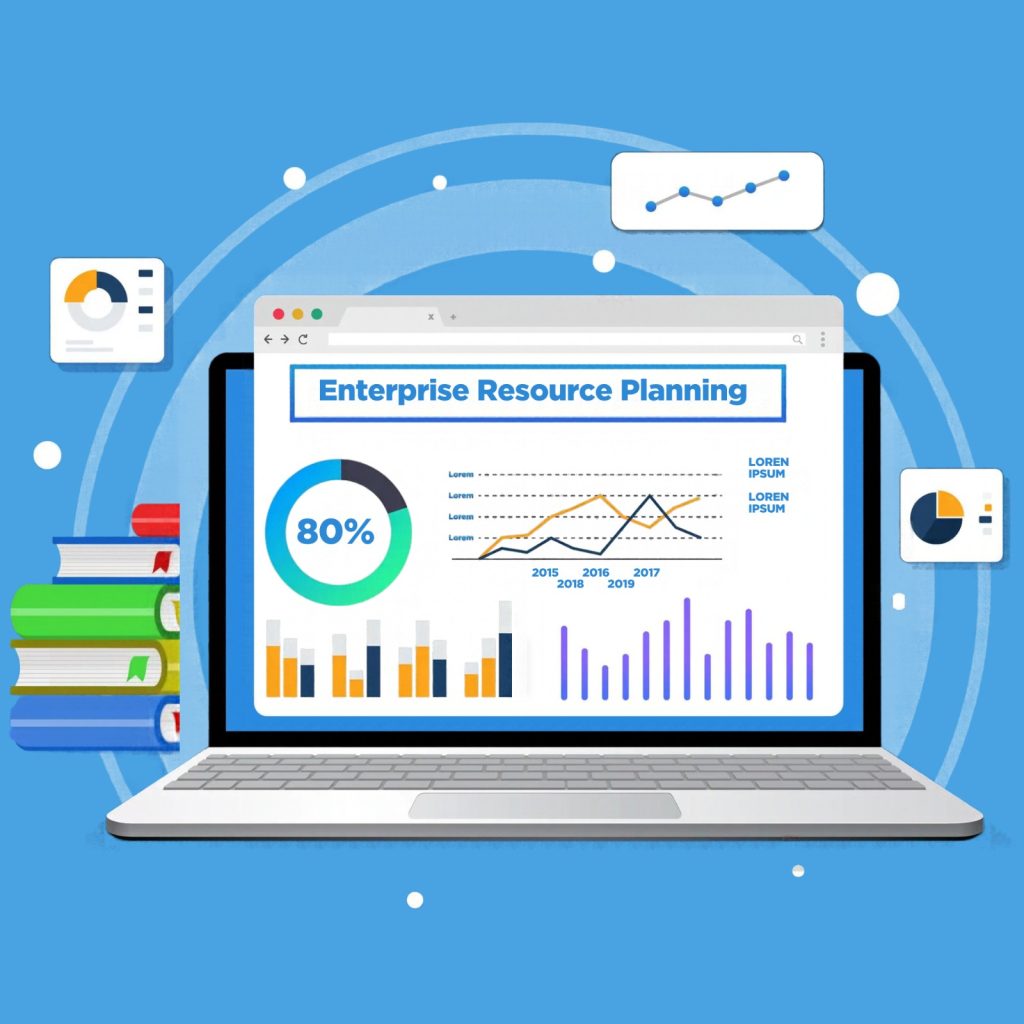
ERP Software helps businesses that are growing manage tasks using a connected digital space. As a company gets bigger, handling money, stock, selling, buying, workers and customer details with systems can cause delays, repeated data and confusion. An enterprise resource planning system, in one place, helps companies bring work together and makes it easier for information to move between teams.
Growth should bring chances, not extra problems. With the tools companies can automate tasks that happen over and over, see better what is going on, work together more and make decisions quicker. ERP technology gives a base that can help with today’s work and also with growing more in the future.
When Business Growth Brings Operational Problems
Business growth usually means customers, more workers, more products, more money moving, more suppliers and more internal steps. Teams may start using spreadsheets, different programs, emails and paper notes making it harder to keep everything the same.
ERP Software helps deal with these problems by making one place for managing business work. By letting each team work on their own, companies can link the right steps and make a better organized way to get things done. This leads to teamwork as the company grows.
One Connected System for Every Department
Different departments often deal with information that is closely linked. Sales might need details about inventory levels. Finance could require data, from sales records. Purchasing may depend on stock amounts. Management often needs input from departments before making choices.
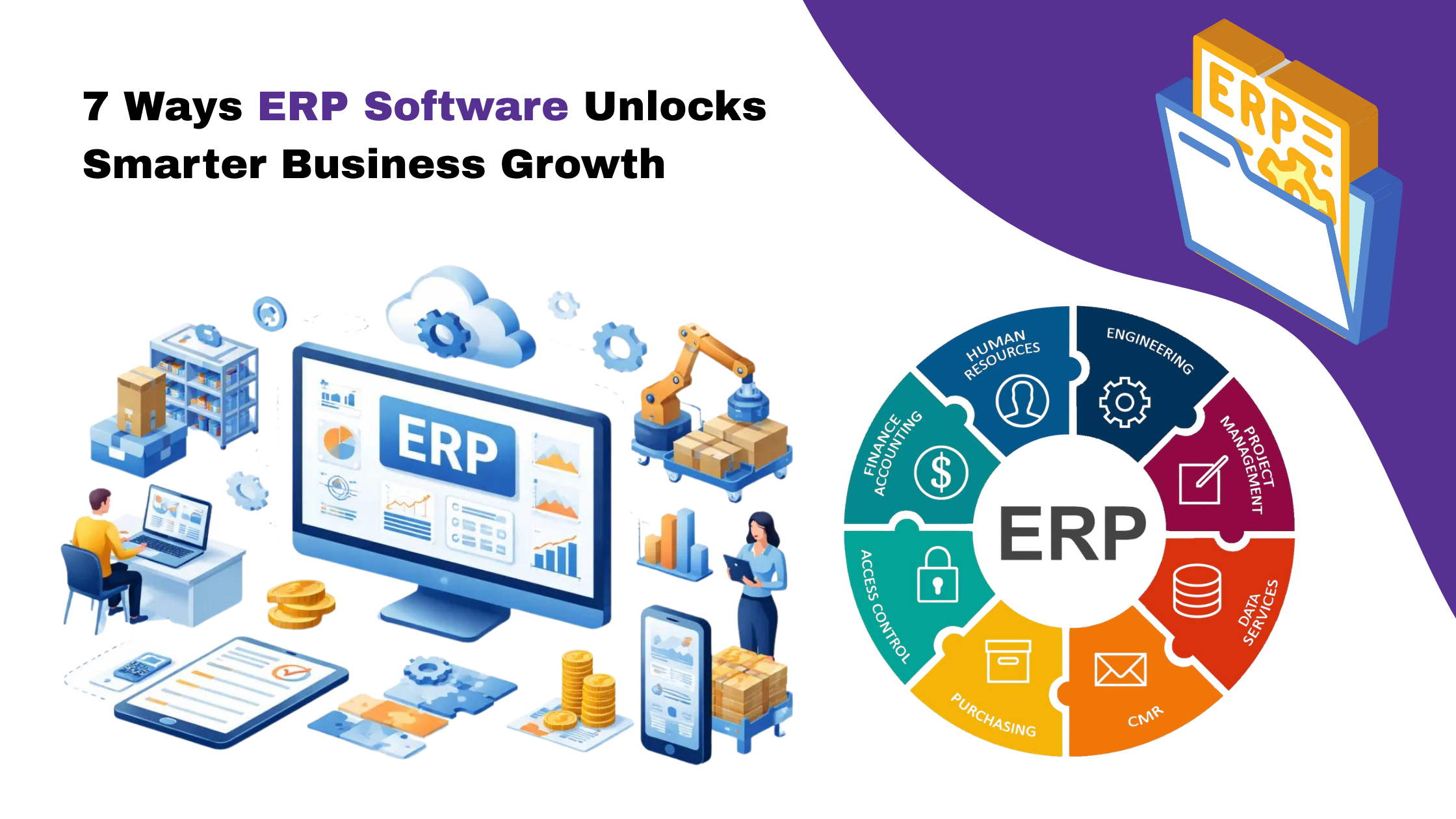
Enterprise Resource Planning Software connects these areas through a centralized system. Depending on business requirements, an ERP platform can support finance, accounting, inventory, procurement, sales, human resources, customer management, reporting, and other operations. This reduces dependence on disconnected systems and helps teams work with more consistent information.
Replacing Manual Work With Smart Automation
Manual processes can consume valuable employee time, particularly when businesses repeatedly handle invoices, purchase orders, approvals, notifications, data entry, reports, or inventory updates. Repetitive work can also increase the possibility of human errors and create unnecessary delays.
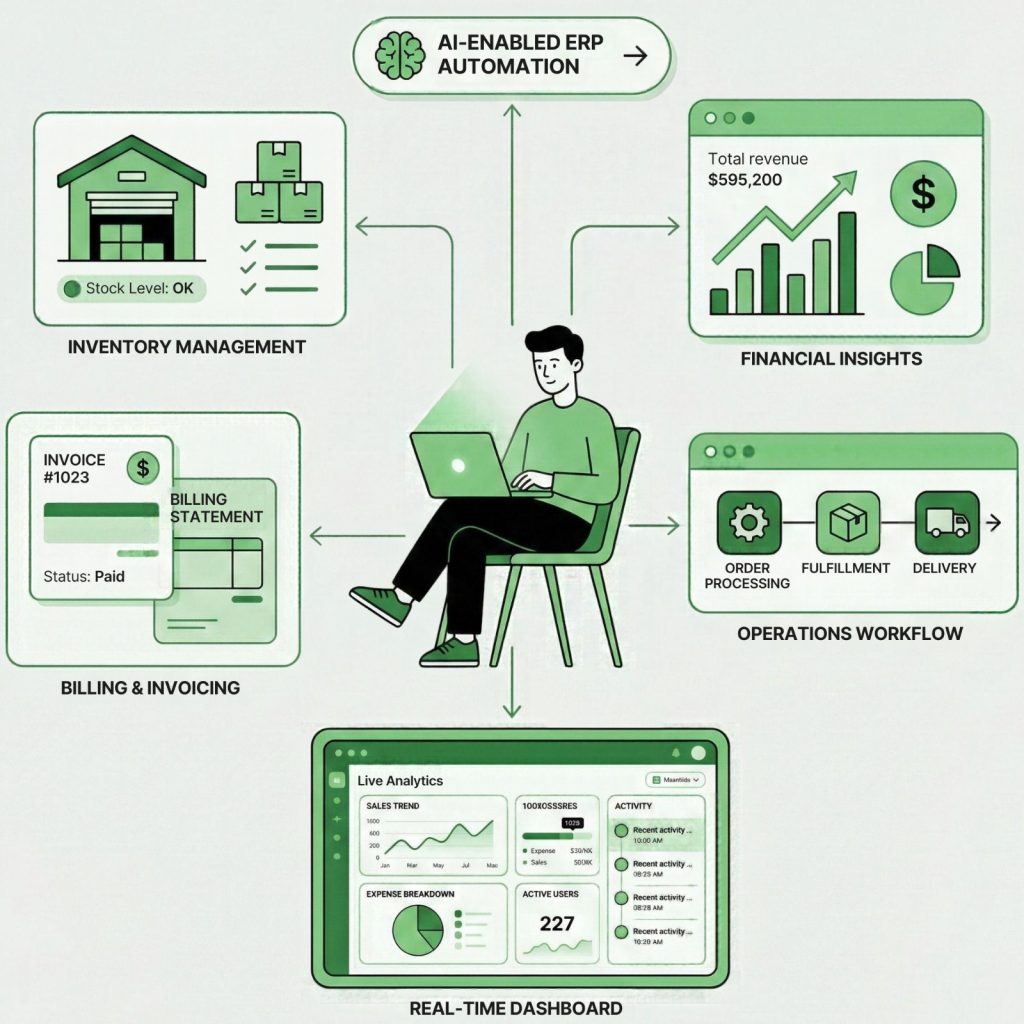
Modern ERP Solutions can automate many routine activities based on predefined workflows. Automated approvals, notifications, calculations, document generation, and data updates can help employees spend less time on repetitive administration and more time on important business activities. This can improve productivity while creating more consistent processes.
Turning Scattered Data Into Clear Business Intelligence
As a business grows the value of business information increases.. When data sits in different spreadsheets and separate applications it becomes hard to see the full picture. Managers often spend much time gathering data before they can spot trends or act on problems.
Enterprise Resource Planning Software brings together information from all parts of the business into one place. This makes it easier to use reporting tools and analytics. Businesses can track sales, manage expenses, monitor inventory and handle purchasing. With access to real-time data leaders can make smarter decisions based on clear information.
Keeping Finance, Inventory & Sales Connected
In companies, finance, inventory, purchasing and sales are closely linked. A shift in sales can change how much stock is needed. Purchasing affects costs. Financial records depend on accurate data, from operations. When these areas work separately communication gaps can develop between teams.
ERP solutions help connect these functions so that information flows smoothly across departments. For example when a sale happens the inventory system updates automatically. Purchasing details feed into reports. This unified approach keeps operations and finances aligned. It helps businesses stay in control and respond quickly to changes.
Building Faster and More Efficient Workflows
Slow workflows can bring down productivity hurt customer satisfaction. When employees have to wait for information, ask for approvals manually or move data back and forth between systems even basic tasks take long.
An ERP Solutions helps organize these workflows. Remove unnecessary steps. Companies can create processes for things like purchasing, handling sales orders, getting approvals, managing inventory, creating invoices and generating reports. By cutting delays and improving teamwork organizations can run smoothly every day.
Preparing Your Business for the Next Stage of Growth
A technology system should not just solve today’s problems , it should also be ready, for what lies. As a business grows it might hire employees, open new locations, launch new products, serve more customers from new departments or change the way things are handled. A system that doesn’t grow along with the company can end up causing more trouble than it solves.
ERP Software gives businesses a base that scales with them. They can easily add users, include new modules, set up new workflows, connect different tools and unlock new features, as their needs change. This way technology stays with the organization of becoming outdated every time operations get more complex.
What Makes an ERP Solution Business-Ready?
The right ERP system should match the organization’s operational requirements rather than simply offering a large number of features. Businesses should evaluate scalability, customization, automation, reporting, security, integration capabilities, user experience, and long-term maintenance before selecting a platform.
Integration is especially important. Integration helps businesses because they often rely on applications, for payments, communication, e-commerce, customer management, analytics or specialized operations. A business-ready ERP environment should be capable of working with relevant technologies and supporting efficient information exchange.
How to Choose the Right ERP Technology
Choosing an ERP platform requires an understanding of both current challenges and future goals. Businesses should identify which processes need improvement, which departments need connectivity, what information management requires, and where automation could create the greatest impact.
Organizations should also consider implementation requirements, customization options, data security, scalability, support, and integration needs. Some businesses may benefit from established ERP platforms, while others may require customized ERP development based on their unique workflows and industry requirements.
The Long-Term Impact of ERP on Business Growth
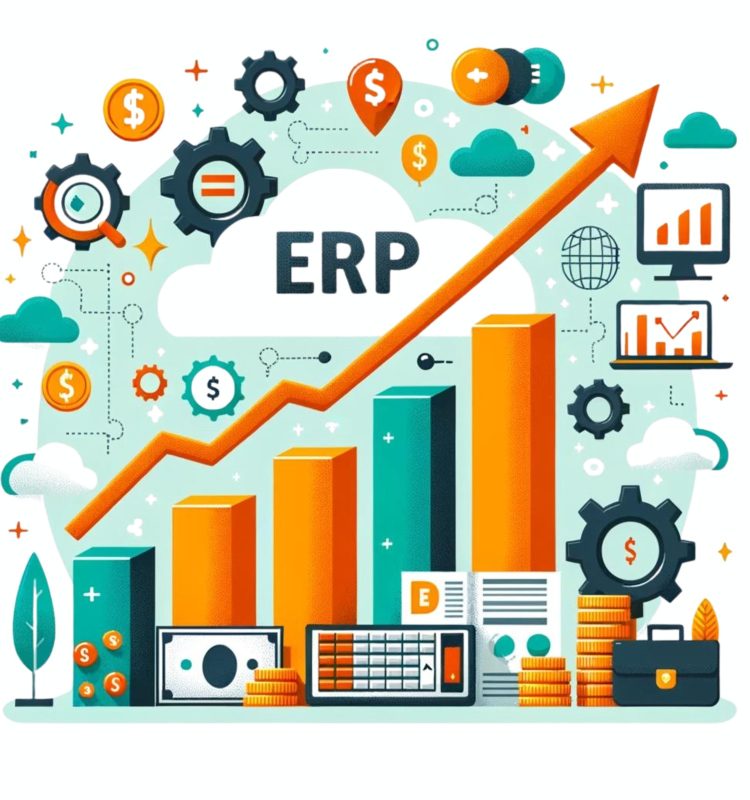
ERP can influence more than day-to-day operations. By connecting departments, improving information visibility, automating repetitive activities, and supporting structured workflows, businesses can create a stronger operational foundation for long-term development.
As organizations grow, the ability to manage complexity becomes increasingly important. A well-planned ERP environment can help businesses improve efficiency while giving management greater visibility into operations. This makes ERP Software technology a valuable part of a broader digital transformation strategy.
Conclusion:
Growing businesses need technology that can keep pace with increasing operational demands. ERP Software can connect important business functions, automate routine activities, improve data visibility, and create more efficient workflows.
With the right implementation strategy, Enterprise Resource Planning Software can become a central part of business operations and support long-term scalability. Unik Techno Solutions helps businesses develop, customize, integrate, and implement ERP technology based on their specific operational requirements, creating a more connected and efficient digital environment.