



Introduction
Embedded systems are a part of modern technology powering everything from everyday household appliances to advanced industrial machinery. These specialized computing systems are designed to perform tasks by combining hardware, software, sensors and control mechanisms. At the heart of embedded systems is a tiny microcontroller or microprocessor that processes information, follows programmed instructions and coordinates the operations of connected components. Although the chip itself may be small it can manage functions within a machine with remarkable speed and accuracy.
For example an embedded system in an air conditioner monitors room temperature. Controls the compressor and fan while a system in an industrial robot coordinates movement and responds to sensor inputs. As automation of smart devices and connected technologies continue to develop, embedded systems are becoming increasingly important across industries. How can one tiny chip control an entire machine and what makes this technology so powerful? Understanding how embedded systems work reveals the engineering behind the devices we depend on every day.
What Is an Embedded System?
An embedded system is a type of computer system built to carry out tasks inside a bigger device or machine. Unlike general-purpose computers, which can run different applications, embedded systems are developed for specific operational requirements. They combine hardware and software to control devices, process information and automate tasks with minimal human intervention.
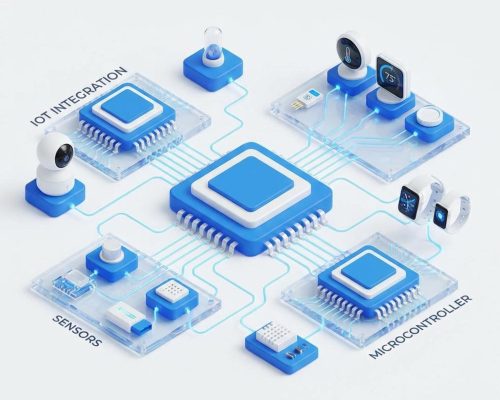
A typical embedded system has a microcontroller or microprocessor memory, sensors, input/output interfaces and embedded software. Depending on what it’s used for, an embedded system can be simple enough to handle one task or advanced enough to manage many tasks at the same time.
How Can One Tiny Chip Control an Entire Machine?
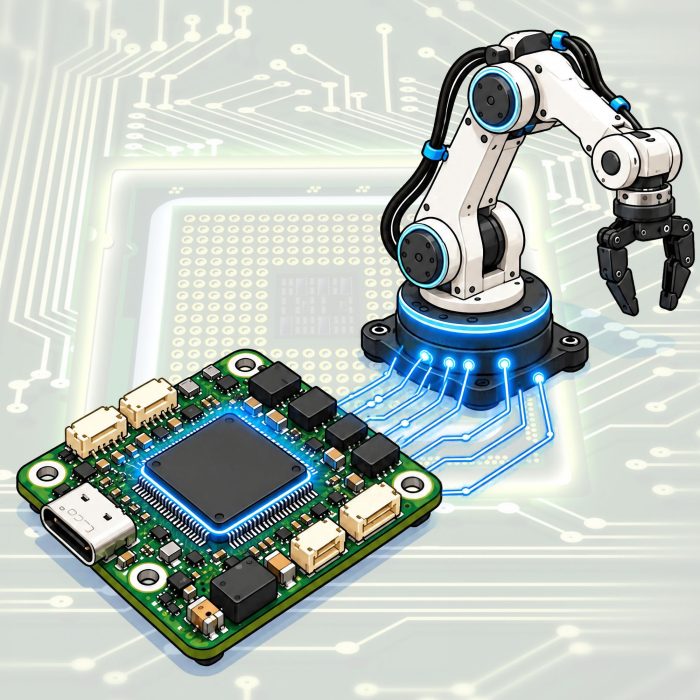
A microcontroller often serves as the brain of an embedded system. It follows instructions. It talks with parts to make different machine actions happen. Even though the chip is very small it can process data fast. It keeps doing control tasks so the machine can react to changes.
The process generally involves three stages:
- Input: Sensors, buttons and switches collect information about the machine or its surroundings.
- Processing: The controller analyzes the information and determines the action based on programmed instructions.
- Output: The controller sends signals to motors, valves, displays or other components to perform the required operation.
For example when an air conditioner detects that the room temperature is higher than the selected setting its embedded controller can activate the cooling system. Once the desired temperature is reached it adjusts the system’s operation according to its control logic. However larger and more complex machines may require controllers working together to manage their different functions.
Where Are Embedded Systems Used?
Embedded systems are widely used across industries because they enable control, continuous monitoring and reliable operation.
Industry | Applications |
Automotive | Engine management, parking sensors, and airbag control |
Healthcare | Patient monitoring devices and medical equipment |
Manufacturing | Industrial robots and automated production lines |
Home Appliances | Washing machines, refrigerators, and air conditioners |
Agriculture | Smart irrigation and soil-monitoring systems |
Consumer Electronics | Smart TVs, digital cameras, and wearable devices |
These applications demonstrate how embedded systems help machines perform tasks accurately and consistently. They also allow manufacturers to integrate control into products without requiring a full-sized computer for every operation.

Why Are Embedded Systems Important?
Embedded systems play an important role in automation by monitoring operating conditions, processing data, and controlling machines with minimal human intervention. They help machines perform tasks consistently, improve energy efficiency, and respond quickly to changes. Their compact design makes them suitable for devices with limited space and power, while their ability to communicate with other devices supports smoother operations.
In industrial environments, embedded systems monitor equipment performance, detect errors, and trigger automatic adjustments to maintain efficient processes. They improve accuracy, reliability, and productivity while reducing unexpected interruptions. Embedded systems are widely used in manufacturing, healthcare, transportation, and smart homes, helping devices operate safely and efficiently. As technology advances, they continue to support intelligent machines and modern automation.
Embedded Systems vs. General-Purpose Computers
Though both embedded systems and general-purpose computers process data they are built for different reasons. Knowing the difference shows why a small chip can be better than a computer when it comes to running a specific machine.
Feature | Embedded Systems | General-Purpose Computers |
|---|---|---|
Purpose | Perform dedicated tasks | Support a wide range of applications |
Design | Optimized for specific functions | Designed for flexible computing |
Resources | Often designed for limited memory and power consumption | Generally offer broader computing resources |
Response Requirements | May require predictable, real-time responses | Response timing depends on the application and system |
Examples | Motor controllers and appliance controls | Desktop computers and laptops |
Some advanced embedded systems also run sophisticated operating systems and perform complex computations. Their abilities depend on the hardware, software and the job they are meant to do.
How Embedded Systems Support Industrial Automation
In manufacturing embedded systems help machines do things like control motor speed, check temperature, measure position and manage production steps. Sensors send data to the controller, which uses its programming to decide what to do. For instance an automated machine might use sensors to find where a piece of material is before starting a motor or moving a robot. If something goes wrong the control system could stop the machine. Send an alert. This helps ensure the process runs smoothly and produces results. In complicated factories several embedded controllers may work together over a network. Each one handles a part of the process while staying in sync with the others. Safety features and thorough testing stay important especially when machines are near workers or work with materials.
How Embedded Systems Support Industrial Automation
In manufacturing, embedded systems support industrial automation by controlling motor speed, monitoring temperature, measuring position, and managing production processes. Sensors send data to controllers, which respond through programmed instructions to operate machines, detect errors, and stop equipment when necessary. In complex factories, multiple embedded controllers work together to improve efficiency, accuracy, productivity, and workplace safety.
The Future of Embedded Systems
New technologies like the Internet of Things (IoT), edge computing, and artificial intelligence are making embedded systems more powerful and intelligent. IoT enables devices to exchange data and monitor operations remotely, while edge computing processes data directly on devices to reduce delays and bandwidth usage. AI-powered embedded systems can identify patterns, detect potential faults, and predict machine failures before breakdowns occur. In smart homes, they also help connected devices respond automatically to environmental changes and user preferences, making products smarter and industrial processes more efficient.
Conclusion
Embedded systems show how a tiny chip can manage a machine as long as it’s built for the job. By combining software instructions with sensor data and control signals to motors, valves and other parts these systems let machines run on their own. They can adapt to changes. Do tasks with steady performance. These systems are used in cars, medical tools, factories, farms, phones and many other areas where reliable control is needed.
With developments in IoT, edge computing and artificial intelligence embedded systems are becoming smarter and more connected. They can now process data where it’s collected, find issues early and help make choices. When machines need several controllers and strong safety rules the core idea stays the same: small focused computing can manage complex operations when the hardware and software work well together. As businesses keep moving toward automation and digital tools, embedded systems will stay vital. They help create devices to make work more efficient and shape the future of smart machines.