


Introduction
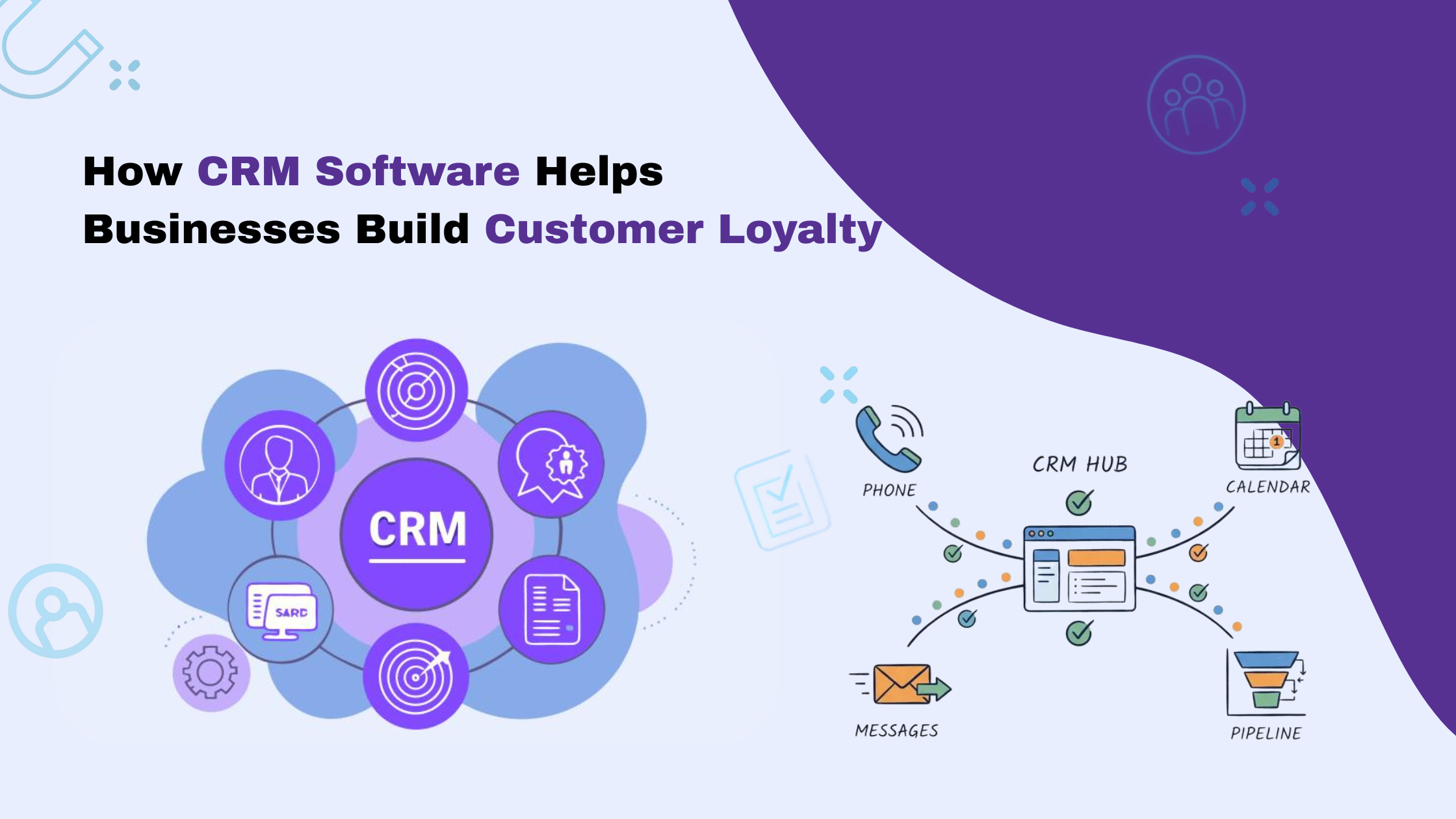
Customer relationship management software is a technology solution that helps businesses keep track of customer information, interactions, sales activities, communication and relationships in one place. CRM lets businesses organize customer data, track leads and enquiries, manage follow‑ups improve customer service and better understand customer behaviour.
Today a business that only attracts customers is missing the point. The business must keep customers learning what they need and create experiences that make them come back. Customer interactions grow on websites, emails, social media, phone calls and sales teams. Managing all of that by hand becomes hard. CRM software gives the business a way to handle these interactions and build stronger customer relationships.
What Is CRM Software?
CRM means the processes a business uses to manage relationships with future customers. Customer relationship management software gives the business a central platform to store customer details, track communication, manage leads, monitor sales opportunities, schedule follow-ups and keep customer histories.
Modern CRM software does more than just store contact information. It can help with sales management, marketing activities, customer service, reporting, analytics, workflow automation. It can work with other business applications. By linking these functions CRM helps the business make an organized and consistent customer journey.
1. Creates a Complete View of Customers
Customers can talk to parts of a business over time. A customer may chat with a salesperson, customer call support, fill out a web form or send an email. If this information lives on systems staff can find it hard to see the whole customer story. CRM software puts customer details in one central place. Teams can look at talks, questions, buys, likes, sales moves and follow‑ups. When all that data is, in one spot staff can grasp what customers need quicker and give service.

2. Enables Personalized Communication
Customers now want companies to know their needs and tastes. A generic note does not always spark interest. A personal message can make customers feel special. Companies can use CRM facts to learn what customers like, how they talked before what they bought and how they react.
CRM software lets businesses sort customers into groups and send focused messages. Sales people can tailor the step and marketing can craft campaigns that fit customer interests and habits. This way businesses make connections instead of sending the same note to every customer.
3. Improves Customer Service
Customer service plays a role in how customers feel about a business. People expect replies and for companies to understand what they have talked about before. When staff have to go through emails, spreadsheets or different apps just to find customer details it takes longer to respond. This can frustrate customers. Make them feel like their time isn’t valued.
CRM software keeps all customer details in one place. It stores information about messages orders and support issues. This way employees can see the history of a customer’s interactions before replying. They don’t have to guess what happened. With this access the teams can give answers, avoid repeating questions and offer more personalized support. The result is communication and a smoother experience, for the customer.
4. Makes Follow-Ups Consistent
Following up at the moment matters a lot in sales and keeping customers happy. As a business grows it becomes harder to keep track of every lead, prospect and current customer. Relying on memory or notes can easily lead to missed calls, delayed messages or forgotten tasks. That means lost chances to close a deal or fix an issue.
CRM systems help by organizing these follow-ups. They allow teams to set reminders, schedule activities and keep track of every action taken with a customer. Tasks are assigned deadlines. Notifications pop up when something needs attention. Regular and timely follow-ups show customers that the business cares. It builds trust. Shows commitment. Whether it’s checking in after a purchase or sending a renewal reminder, consistent communication strengthens relationships and increases loyalty.
5. Strengthens Customer Retention
Customer retention is essential for business growth. Existing customers can bring repeat purchases, renewals, referrals and chances to sell products or services. Still businesses must keep relationships alive past the sale. Customer relationship management software tracks customer history. Keep up with ongoing interactions. Teams can follow up after purchases, give updates, spot extra needs and keep talking to customers for a long time. This steady engagement helps businesses strengthen relationships and keeps customers tied to the brand.
6.Provides Valuable Customer Insights
Customer data shows facts about likes, buying habits, interactions and engagement. If there is no system this data stays scattered across many platforms and becomes hard to study. Modern CRM software gives reports and insights about leads sales actions, customer interactions, conversions and engagement. Businesses use these insights to learn customer behaviour and spot places to improve. Clearer visibility into customer data also helps make decisions in sales, marketing and customer service.
7. Supports Business Growth
When a company grows, its customer base, sales actions, interactions and internal processes can become more complex. Handling customer information with spreadsheets and separate apps can become slow as the organisation expands. Scalable CRM software can add users, customer records, workflows, automation and integrations. It keeps customer management tidy even as customers and interactions grow. This makes CRM useful not for today’s work but also for building a stronger base for future growth.

Why Businesses Choose CRM Software ?
Businesses pick CRM software because handling customer relationships by hand gets hard when operations grow. Customer details jump between emails, spreadsheets, phone logs, websites and other apps. A single CRM system gathers all those facts. Gives teams a clearer look at customer interactions.
Customer relationship management software also lets businesses link sales, marketing, customer service and management work. Of each group using separate data teams pull needed customer facts from one shared platform. This teamwork boosts cooperation. Creates a steadier customer experience.
Another key reason businesses pick CRM software is automation. Everyday tasks like follow‑up reminders, lead hand‑offs, alerts, customer updates and reports can run via workflows. This cuts admin work. Lets staff focus on important customer and business tasks.
Conclusion
CRM software has become a tool for firms that want stronger customer relationships and lasting growth. From arranging customer data and personalizing messages to customer service, tracking follow‑ups and seeing customer habits CRM helps firms build better experiences all the way through the customer journey.
Customer relationship management software is more than a place to keep customer contacts. When set up properly it links sales, marketing, customer service and management around one view of the customer. For firms that want customer loyalty and a future‑ready base the right CRM plan offers a solid digital core.
Unik Techno Solutions helps firms look into CRM software, custom integration, automation and other tech fixes that match their exact needs. With the tech and plan firms manage customer relationships better boost daily work speed and build lasting customer loyalty.